
From Buttons to Insight—Make the Panel Work for You.
Building familiarity and confidence in operating your control panel
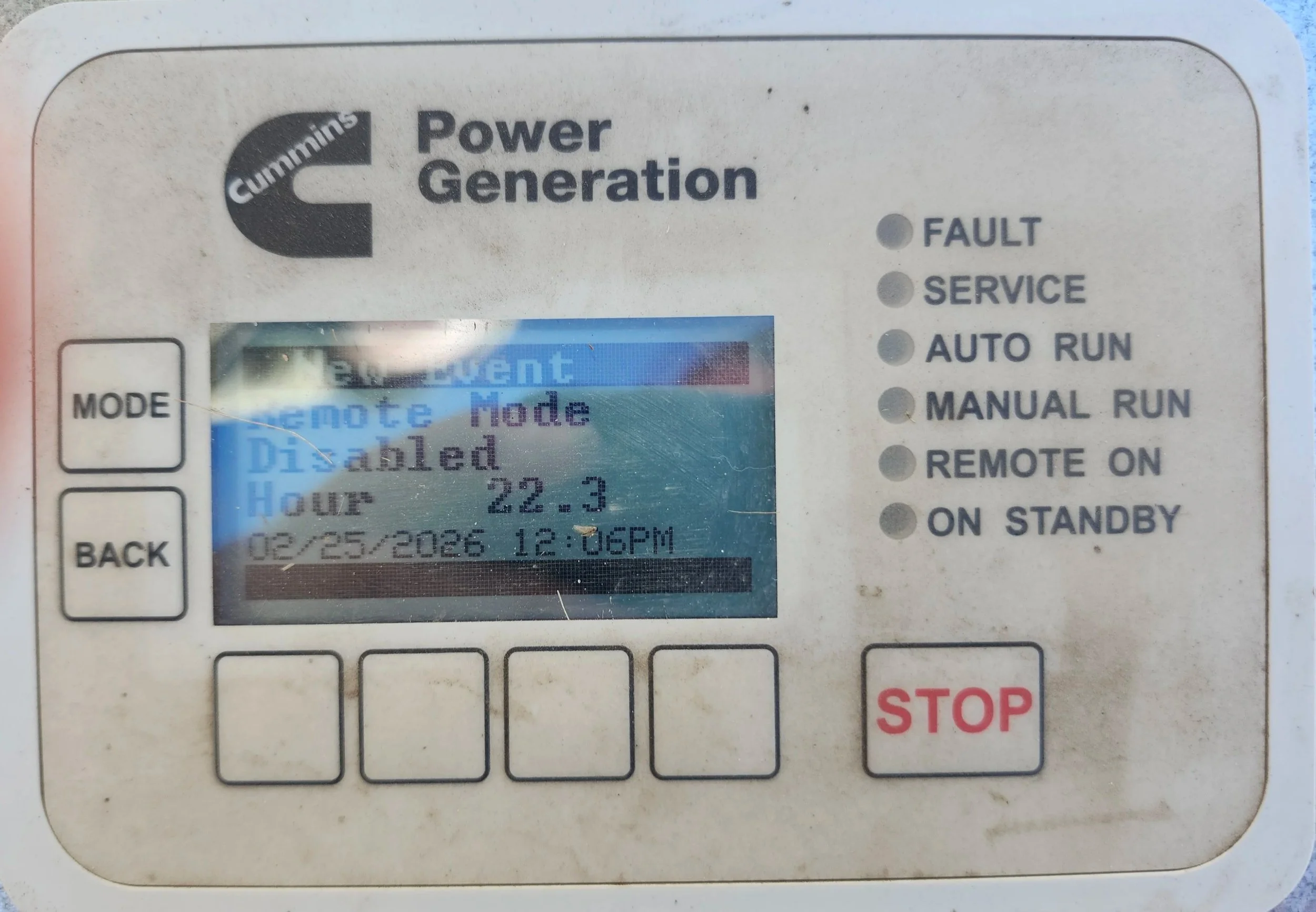
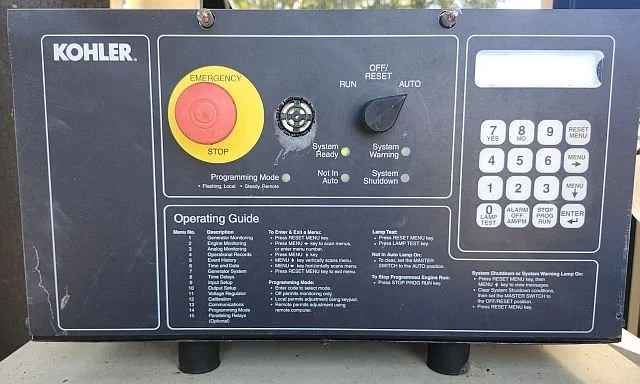
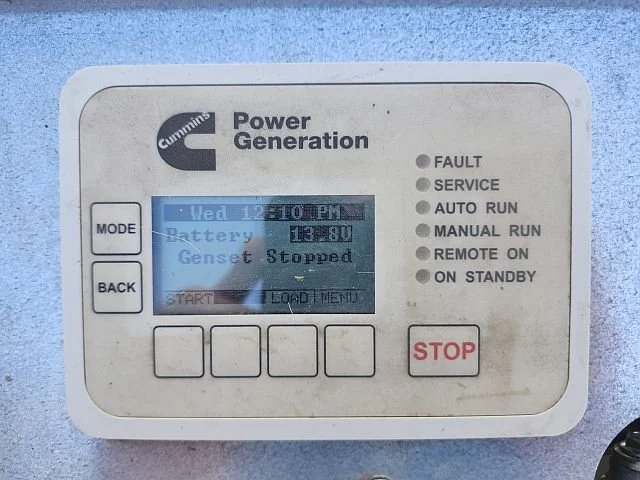
Modern generator control panels are powerful tools, but many technicians and operators only use a small portion of what the panel is capable of doing. This course is designed to build confidence and familiarity with the controls, indicators, menus, alarms, shutdowns, and operating information technicians see in the field every day.
Students will learn how to navigate common generator control panels, understand what the panel is telling them, and use that information to operate equipment more safely and troubleshoot more effectively.
Who This Class Is For
This course is ideal for:
New technicians entering the power generation industry
Experienced technicians who want stronger confidence with control systems
Generator operators responsible for routine monitoring and operation
Employers looking to improve technician readiness and reduce avoidable service errors
Why This Training Matters
A technician can have strong mechanical ability and still struggle if they do not understand the control panel. In today’s equipment, the panel is often the first source of information during operation, fault response, and troubleshooting. Knowing how to interpret what the panel is showing can improve safety, speed diagnosis, and prevent unnecessary mistakes.
Want to prepare your team to operate and troubleshoot equipment with more confidence? Contact PGI to learn more about upcoming Control Panel Familiarization classes.
What You’ll Learn
-
Learn how control panels are organized and what each section is responsible for.
-
Interpret what the panel is telling you through lights, readings, and system status information.
-
Identify different alarms and shutdowns and understand what conditions trigger them.
-
Build confidence moving through menus to access information and adjust settings when needed.
-
Understand the proper sequence of events during operation to ensure safe and reliable performance.
-
Learn how to access and use stored fault data to better understand past issues.
-
Use panel information to guide diagnosis and reduce guesswork in the field.
-
Apply safe practices when working around energized equipment and active control systems.